Discover Marc Jacobs Daisy EDT. Expert fragrance guide analyzing notes, accords, longevity, and key wearing occasions for this iconic floral perfume.
Marc Jacobs
Main Accords
When to Wear
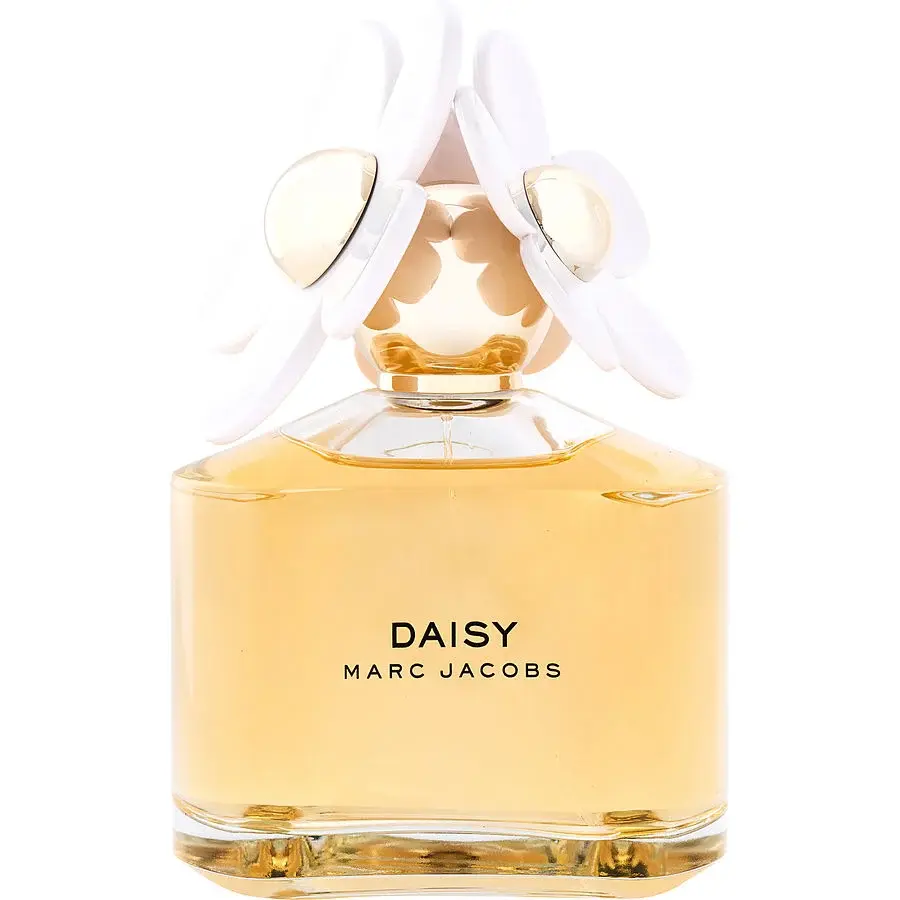
Since its iconic launch in 2007, Marc Jacobs Daisy Eau de Toilette has stood as a crown jewel of modern olfactory design. Crafted by master perfumer Alberto Morillas, this ultra-feminine scent revolutionized the floral fragrance family by blending effortless charm with modern sophistication. At Fragrances Direct, our team of fragrance specialists frequently gets asked what makes this beloved scent an enduring global bestseller. In this comprehensive review, we analyze its intricate note composition, performance dynamics, and ideal wearing scenarios to help you determine if Daisy is your perfect signature scent.
What Does Daisy Smell Like?
Our evaluation reveals that Marc Jacobs Daisy is a masterclass in balance, offering a harmonious blend dominated by vibrant florals, delicate greenery, and smooth gourmand warmth. It operates across several key accord dimensions: floral (95%), powdery (80%), fresh (75%), white floral (70%), and fruity (65%).
The Olfactory Pyramid
- Top Notes: Sweet Strawberry, Violet Leaf, Uplifting Blood Grapefruit
- Heart Notes: Violet, Jasmine (Grandiflorum), Velvety Gardenia
- Base Notes: Warm Vanilla, Smooth Sandalwood, Clean Musk
Opening Analysis
Upon initial application, Daisy opens with an energetic burst of fresh violet leaf and zesty blood grapefruit, softened by a touch of ripe, juicy strawberry. Professional perfumers note that the aquatic, ozonic quality of the violet leaf prevents the fruity opening from feeling overly sweet, delivering an invigorating freshness that immediately brightens the senses.
Heart & Dry Down Development
As the top notes gently settle, the scent unfolds into a romantic white floral heart. The core bouquet features opulent gardenia, rich Jasmine Grandiflorum, and powdery violet petals. This transition highlights the 95% floral and 70% white floral accords, creating an airy, luminous feel rather than a heavy, indolic one. Finally, during the dry down, Daisy reveals a comforting base of velvety vanilla, cream-like sandalwood, and persistent white musk. This creates an inviting, powdery footprint on the skin that feels refined, cozy, and distinctly memorable.
When Should You Wear Daisy?
One of Daisy’s greatest strengths is its incredible versatility across seasons, times of day, and diverse social settings. While many scents are strictly seasonal, our analysis shows that Daisy translates seamlessly throughout the entire year.
Seasonal Adaptability
- Spring & Summer: The crisp greenness of the violet leaf and refreshing top notes excel in warmer weather, blooming beautifully in heat without becoming cloying.
- Fall & Winter: The comforting base of musk, sandalwood, and warm vanilla ensures that Daisy holds up surprisingly well during crisp autumn mornings and cold winter afternoons.
Time of Day & Occasions
Daisy shines as an ideal daytime companion. Its clean, radiant sillage makes it an exceptional choice for professional office environments, casual weekend brunches, and daytime dates where heavy or overwhelming perfumes would be out of place. However, its enchanting white floral heart and mysterious musky base also allow it to transition effortlessly into intimate evening dinners or relaxing nights out.
Who Is Daisy For?
Designed specifically for WOMEN who appreciate timeless floral elegance, Daisy speaks to a spirit of optimism, grace, and youthful sophistication. Rather than feeling juvenile, its powdery and white floral notes offer a classic charm suitable for fragrance enthusiasts of all ages.
As fragrance specialists, we highly recommend Marc Jacobs Daisy to individuals who:
- Prefer uplifting, fresh floral scents over dense, spicy or heavy amber profiles.
- Need a dependable, crowd-pleasing "easy-reach" fragrance for daily wear.
- Value a fragrance that blends casual brightness with refined femininity.
How Long Does Daisy Last?
As an Eau de Toilette (EDT), Daisy features a lighter concentration of perfume oils designed for soft projection and crisp airiness. On average, our performance tests show that Daisy lasts between 4 to 6 hours on skin, with moderate sillage during the first two hours before settling closer to the body as a skin scent.
While EDT formulations are naturally lighter than Eau de Parfums, the lingering base notes of sandalwood, musk, and vanilla provide remarkable longevity on fabrics. Spraying your scarf, hair, or clothing can significantly extend the wearing experience throughout the day.
How to Apply Daisy
To maximize performance, longevity, and sillage from an Eau de Toilette, proper application techniques are essential.
- Target Key Pulse Points: Focus application on warm areas of the body, including the inner wrists, base of the neck, behind the earlobes, and the inner elbows. The gentle heat generated by pulse points continuously diffuses the floral accords.
- Hydrate Your Skin First: Fragrance molecules bind best to moisturized skin. Apply an unscented body lotion—or the matching Marc Jacobs Daisy body cream—before spraying to lock in the scent structure.
- Avoid Friction: Never rub your wrists together after applying. Friction disrupts the delicate top notes of strawberry and violet leaf, causing them to evaporate prematurely.
- Mist and Step Through: For a soft, halo-like scent aura, mist the fragrance twice into the air ahead of you and step directly into the cloud.
Ready to experience this modern floral icon for yourself? Explore Marc Jacobs Daisy and discover your signature scent at Fragrances Direct.
Frequently Asked Questions
Is Marc Jacobs Daisy suitable for daily wear?
Yes, Marc Jacobs Daisy EDT is widely regarded as one of the best daily fragrances available. Its fresh floral profile, uplifting citrus-fruity opening, and moderate sillage make it appropriate for professional work environments, casual outings, and school settings without overpowering those around you.
What is the difference between Marc Jacobs Daisy EDT and EDP?
The main difference lies in concentration and depth. The Eau de Toilette (EDT) emphasizes bright, crisp, green violet leaf and strawberry top notes with lighter projection. An Eau de Parfum (EDP) version offers a higher oil concentration, emphasizing deeper white floral notes and a warmer, longer-lasting base.
Can Marc Jacobs Daisy be worn during winter?
Absolutely. Although Daisy is primarily celebrated for its spring and summer fresh qualities, the woody sandalwood, vanilla, and clean musk base notes give it enough warmth and depth to perform nicely during fall and winter days.
How should I store my bottle of Marc Jacobs Daisy?
To preserve the delicate top and heart notes of your EDT, store the bottle in a cool, dry place away from direct sunlight, heat sources, and humidity (such as bathroom counters). Keeping the bottle in a bedroom vanity or original box ensures the juice stays fresh for years.
Continue Reading
Explore more fragrance guides and insights